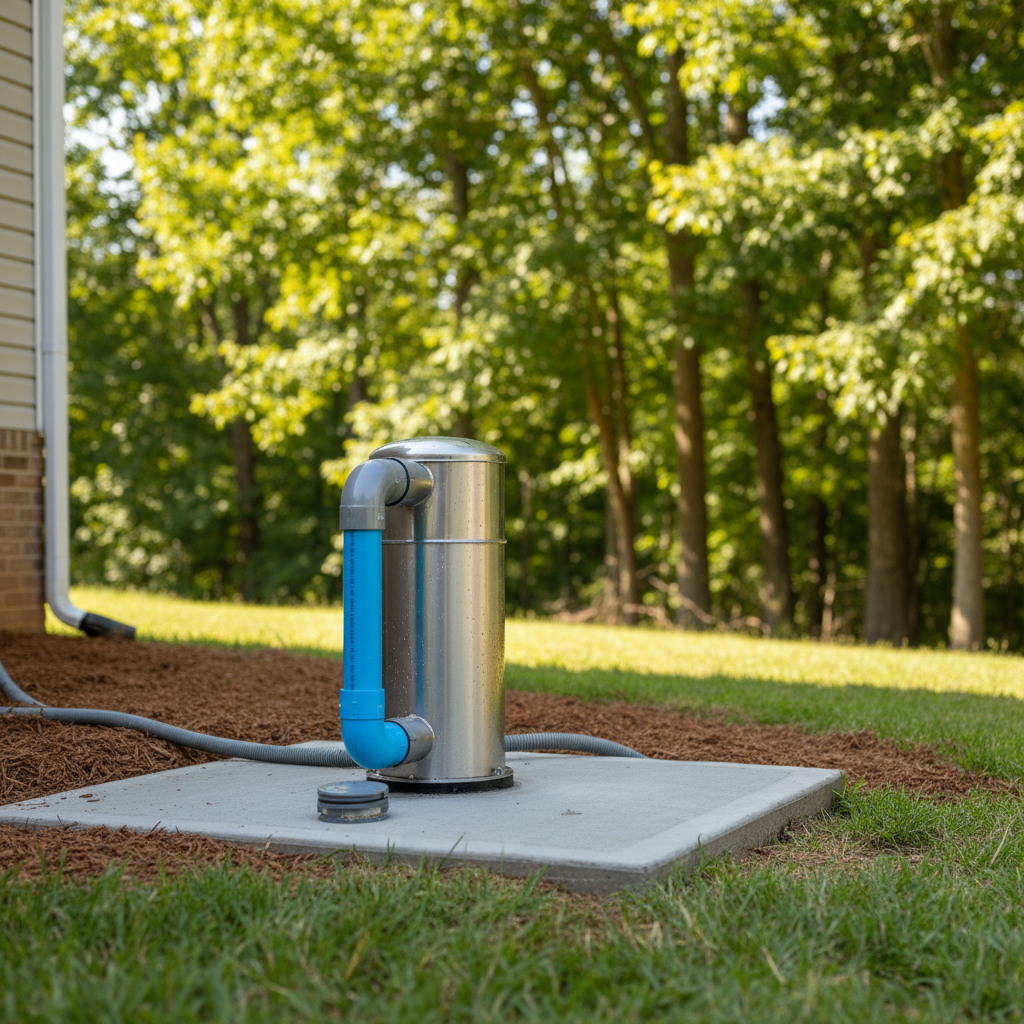
Alright, let's talk well pumps. I get a lot of the same questions from homeowners around Heflin, especially when they're thinking about a new well or their old pump finally gives up the ghost. It's a big part of your home's water system, so you should know what you're getting into. Here are the straight answers to what I hear most often:
What kind of well pump do I even need?
This is probably the first thing everyone asks, and it's a good one. For most residential wells around here, you're looking at either a submersible pump or a jet pump. Submersible pumps are by far the most common these days, and for good reason. They sit right down inside your well casing, under the water. They push the water up, which is a lot more efficient than pulling it, especially if your well is deep. Most wells in our area, especially those drilled into the bedrock around the Talladega National Forest, are deep enough that a submersible is the only practical choice.
Jet pumps, on the other hand, sit above ground, usually in your basement or a utility room. They pull water up using suction. They're generally only good for shallower wells, say 25 feet or less. If you've got an older, hand-dug well that's not too deep, a jet pump might still be an option, but for any new drilled well, you're almost certainly going submersible. We'll figure out what's best based on your well's depth, diameter, and your household's water needs.
How long does a well pump installation take?
That depends a lot on the situation. If we're talking about replacing an existing submersible pump in a well that's already set up, we can often get that done in a single day, sometimes even a few hours, assuming everything goes smoothly. We pull the old one out, drop the new one in, connect the pipes and wiring, and test it. It's not always a quick job though; sometimes we run into issues like old, corroded piping or a well casing that needs a little attention. If we're installing a pump in a brand-new well, that's part of the whole well drilling process, which takes a few days itself before we even get to the pump. So, it's not an exact science, but we always aim to get your water flowing again as fast as we can without cutting corners.
What's involved in the actual installation process?
Okay, so for a submersible pump, here's the rundown. First, we secure the wellhead and disconnect the existing electrical and plumbing. Then, we carefully pull up the old pump, along with its drop pipe and wiring. This can be a pretty heavy job, especially with deeper wells, and it requires specialized equipment. Once the old pump is out, we inspect the well casing and the electrical connections. We then attach the new submersible pump to new drop pipe (we almost always recommend replacing the drop pipe with new poly pipe or PVC to avoid future issues) and new electrical wiring, making sure all connections are watertight and secure. We lower the new pump down into the well, making sure it's at the correct depth. Finally, we connect it to your pressure tank and electrical system, test the pressure switch, and make sure everything is working perfectly, checking for leaks and proper water flow. It's a precise job, and you don't want anyone rushing through it.
Do I need a pressure tank, and what does it do?
Absolutely, you need a pressure tank. It's a critical part of your well system. Think of it like this: your pump doesn't need to kick on every single time you open a faucet. The pressure tank stores a reserve of water under pressure. When you use a small amount of water, like flushing a toilet or washing your hands, the pressure tank supplies it without the pump turning on. This saves wear and tear on your pump, making it last a lot longer. It also gives you consistent water pressure. Without a pressure tank, your pump would cycle on and off constantly, which would burn it out pretty quick and give you really inconsistent water flow. We always size the pressure tank appropriately for your household's needs and the pump's capacity.
How much does a new well pump cost?
This is the million-dollar question, and frankly, there's no single answer without knowing your specific situation. The cost depends on a few major factors: the type of pump (submersible pumps are generally more expensive than jet pumps), the horsepower of the pump (which relates to your well's depth and your water demands), the depth of your well (deeper wells require more pipe and wire, and more labor to pull and install), and any additional components needed, like a new pressure tank, pressure switch, or electrical work. Plus, sometimes we find other issues once we start digging in, like a corroded well cap or a damaged well casing, which can add to the cost. What I can tell you is that at Mighty Well Drilling, we give you an honest quote upfront once we assess your needs. We don't like surprises any more than you do.
What are the signs my well pump is going bad?
Good question, knowing these can save you a headache. The most common signs I see are:
- No water at all: This is the obvious one. If you turn on a faucet and nothing comes out, your pump might be dead or there's a serious electrical issue.
- Low water pressure: If your shower suddenly feels like a trickle, or your washing machine takes forever to fill, it could be a failing pump, a problem with your pressure tank, or a clogged filter.
- Pump cycling on and off frequently: If you hear your pump kick on every few minutes, even when no one is using water, that's a big red flag. It often points to a problem with your pressure tank or a leak somewhere in the system.
- Murky or sandy water: This can indicate your pump is set too low in the well and sucking up sediment, or that the well screen is damaged.
- Strange noises: Grinding, banging, or excessive humming coming from your well area or pressure tank can mean trouble.
- High electric bills: A pump that's struggling or running inefficiently will use more power.
Getting a new well pump or replacing an old one isn't something you want to mess around with yourself. It involves electricity, heavy equipment, and a deep understanding of water systems. You want it done right the first time, so you can count on clean, reliable water for years to come. That's what we do here at Mighty Well Drilling.